
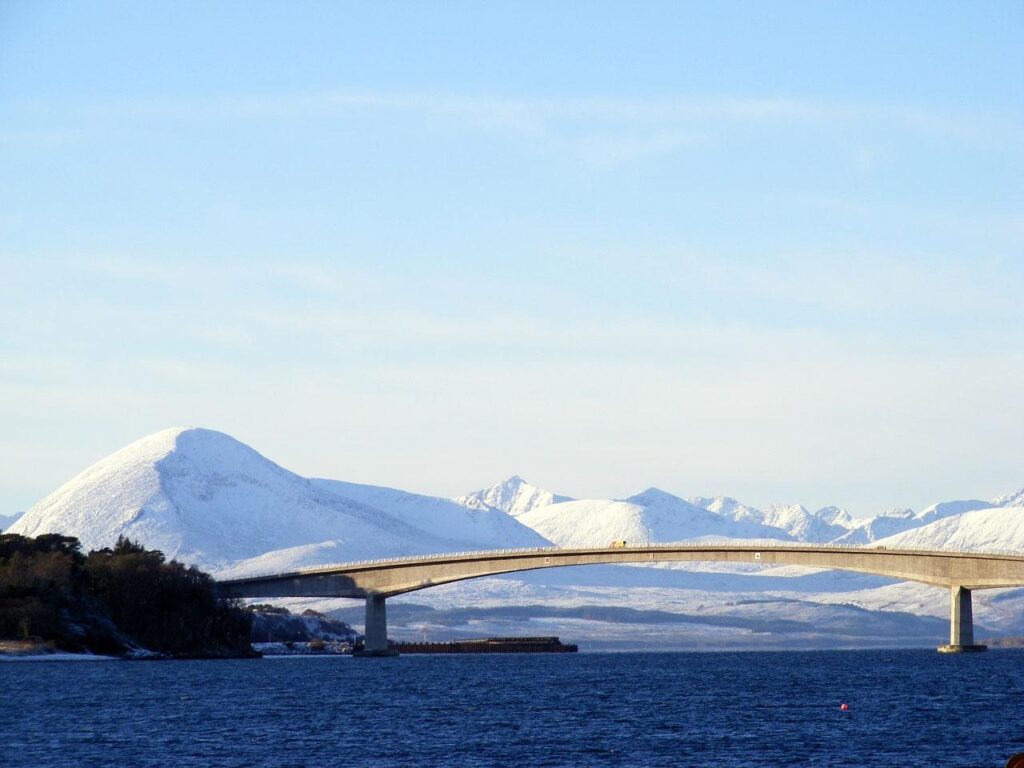
Scotland in winter is a season of dramatic Highland landscapes, cosy fireside evenings, sparkling Christmas lights and peaceful historic towns. While the days are shorter and the weather can be unpredictable, winter offers a different way to experience Scotland — often with fewer crowds, quieter roads and opportunities to discover the country at a slower pace.
From exploring Edinburgh’s Christmas markets to watching the sun rise over misty lochs, looking for the Northern Lights or enjoying a traditional Scottish pub after a day outdoors, there are plenty of reasons to plan a winter trip.
However, visiting Scotland between December and February does require a little more planning. Some attractions operate reduced hours or close for the season, daylight is limited and winter driving conditions can be challenging, particularly in the Highlands.
In this guide, we explain what to expect when visiting Scotland in winter, the best things to see and do, what to pack and how to make the most of your time in the country.
Is winter a good time to visit Scotland?
Absolutely! Winter can be a wonderful time to visit Scotland, particularly if you enjoy dramatic scenery, historic cities, festive celebrations and a more relaxed travel experience.
December is ideal for Christmas markets, seasonal events and Hogmanay celebrations. January and February offer a quieter atmosphere, opportunities to explore Scotland’s cities without the peak-season crowds and the chance to experience snow-covered landscapes in the Highlands.
Winter also brings a different quality of light. Low winter sunshine can illuminate mountain peaks, while mist drifting across a loch or frost covering a woodland can make even a short stop feel memorable.
There are a few trade-offs. The days are shorter, the weather can change quickly and some seasonal attractions close during the winter months. However, with a flexible itinerary and realistic expectations, winter can be one of the most rewarding times to explore Scotland.
1. Experience Edinburgh's Christmas markets and winter lights
If you are visiting Scotland in December, Edinburgh is an excellent place to begin your winter adventure.
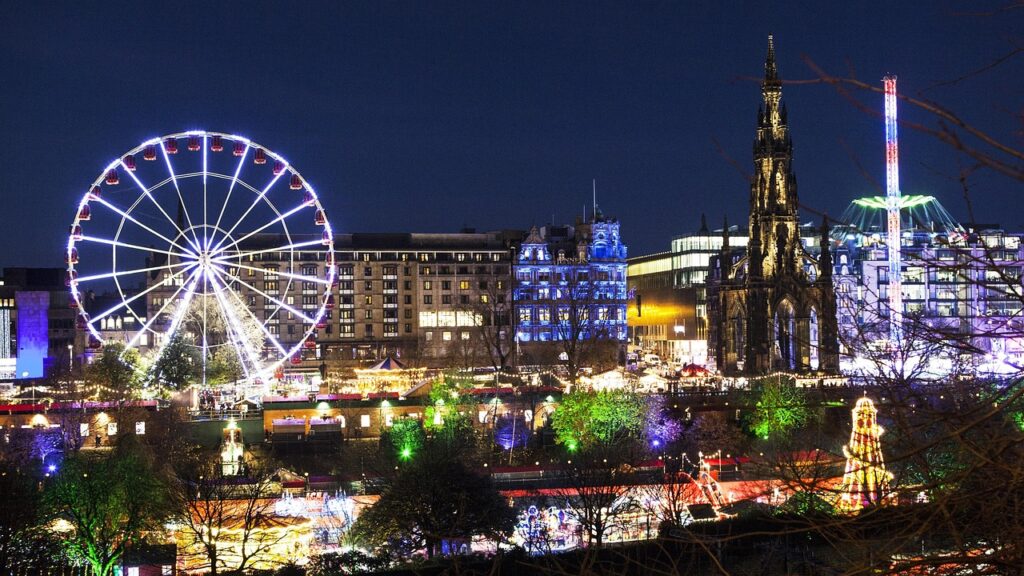
The city takes on a particularly festive atmosphere during the Christmas season, with illuminated streets, seasonal food stalls, traditional crafts and winter events set against the backdrop of Edinburgh Castle and the Old Town.
Edinburgh Christmas Market
Edinburgh’s Christmas celebrations typically include markets in the city centre, where you can browse independent gifts, sample seasonal treats and enjoy a warming drink while taking in the festive atmosphere.
The markets are particularly appealing in the late afternoon and evening, when the lights create a magical setting around the city’s historic streets and gardens.
You can combine a visit with a walk along Princes Street, explore the Old Town’s narrow closes or enjoy the views from one of Edinburgh’s elevated viewpoints.
Keep in mind that the Christmas markets are seasonal events, and dates, locations and opening times can change each year. If you are planning a December visit, check the official Edinburgh Christmas programme before travelling.
Edinburgh Castle and winter light displays
Edinburgh Castle is one of Scotland’s most recognisable landmarks, and seeing it illuminated against a dark winter sky is a memorable experience.
Seasonal light trails and festive installations are sometimes organised at historic sites and other locations around Edinburgh. Particular events, including castle-related light displays, may vary from year to year, so check the current programme rather than assuming a display will be running throughout winter.
Even without a special event, Edinburgh is beautiful after dark. The illuminated castle, the Royal Mile and the historic architecture provide plenty of opportunities for atmospheric evening photographs.
Our tip: If you want to explore Edinburgh’s Christmas attractions, allow time to enjoy the city on foot. For a longer Scottish winter holiday, consider spending a few days in the capital before heading into the Highlands.
Understand Scotland's winter weather and daylight hours
One of the most important things to understand when visiting Scotland in winter is just how much daylight changes throughout the year. It is also important to remember that the weather is changeable, and Scotland can be cold and wet!
How cold is Scotland in winter?
December, January and February are generally Scotland’s coldest months, with average maximum temperatures commonly around 5–6°C (41–43°F). Temperatures can fall below freezing, particularly overnight and in inland or mountainous areas.
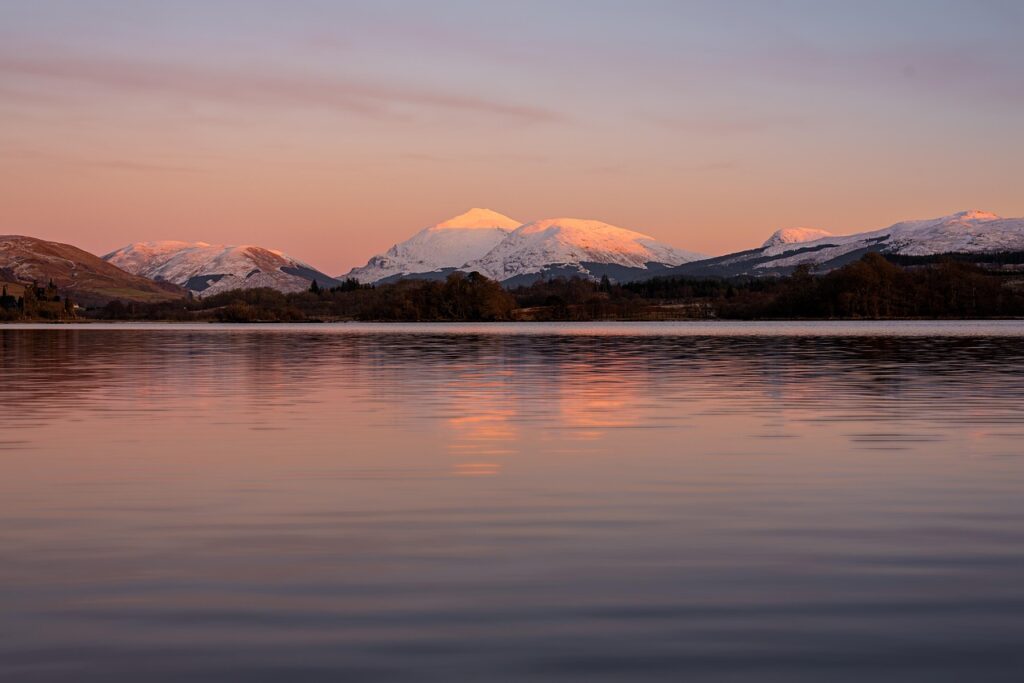
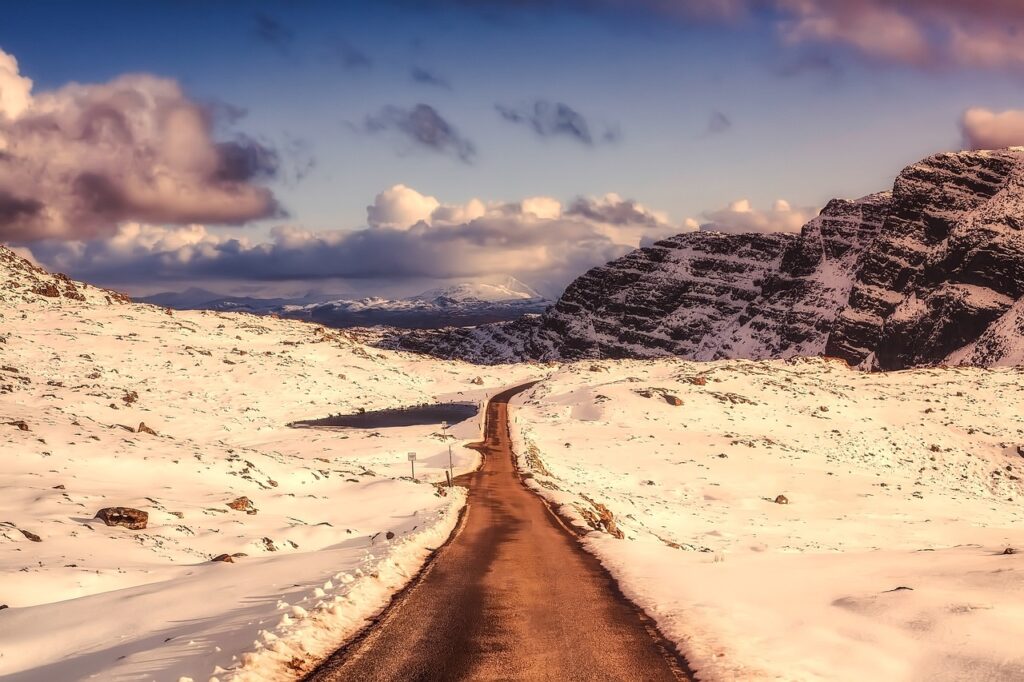
Snow is possible, especially in the Highlands and Cairngorms, but it is not guaranteed. Lower-lying areas and coastal towns may experience more rain, wind and grey skies than snow-covered landscapes.
Scotland’s weather can also vary considerably between regions. You might experience cold sunshine in Edinburgh, heavy rain on the west coast and snow in the mountains on the same day.
Rather than expecting constant snow, think of Scottish winter as a season of changing conditions, dramatic skies and occasional spectacular winter landscapes.
How many hours of daylight does Scotland get in winter?
Short daylight hours are one of the biggest considerations when planning a winter itinerary.
In Edinburgh, there are approximately seven hours of daylight around the winter solstice in late December. Further north, daylight hours are even shorter.
As a general guide:
December: The shortest days of the year, with roughly seven hours of daylight in Edinburgh.
January: Days begin to lengthen gradually, although daylight remains limited.
February: Noticeably longer days provide more opportunities for sightseeing and scenic stops.
Remember that daylight hours are not the same as usable sightseeing time. Sunrise and sunset can occur quickly, and gloomy weather may make it feel darker still.
This matters particularly when travelling through the Highlands. A route that looks straightforward on a summer map may be much more ambitious when you have only a few hours of daylight for scenic stops, photography and short walks.
Our tip: Plan your main outdoor experiences for the middle of the day, avoid trying to fit too many destinations into one itinerary and leave some flexibility in case the weather changes.
Embrace the Scottish art of coorie
One of the nicest things about visiting Scotland in winter is discovering coorie.
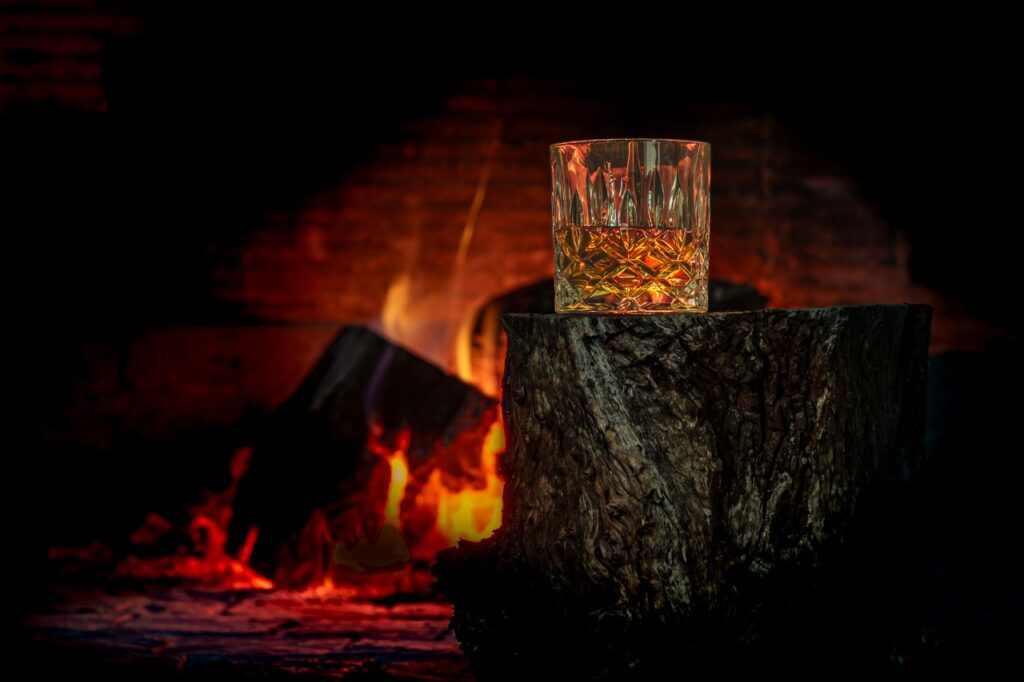
Often described as a Scottish approach to cosiness and comfort, coorie is about appreciating the simple pleasures of the season: warming up beside a fire, enjoying a hearty meal, taking a peaceful woodland walk or settling into a comfortable lodge after a day outdoors.
It is not an activity you need to book. It is more a way of enjoying winter at a gentler pace.
Imagine spending the morning exploring a Highland glen, stopping at a village café for soup and freshly baked bread, then returning to a traditional inn or countryside retreat for a relaxed evening.
You might discover a welcoming pub serving local food, browse independent shops in a small Scottish town or enjoy a whisky tasting in a cosy setting.
Winter is also a good time to seek out Scotland’s seasonal food and drink, from hearty soups and stews to local seafood and warming desserts.
For travellers accustomed to trying to fit as much as possible into a summer holiday, coorie offers a different perspective: sometimes the best part of a Scottish winter trip is taking the time to enjoy where you are.
Look out for the Northern Lights in Scotland
Did you know that you can sometimes see the Northern Lights in Scotland?
The Northern Lights, also known as the aurora borealis, occur when charged particles from the Sun interact with gases in the Earth’s atmosphere, creating colourful displays in the night sky.
Scotland’s northern location makes aurora sightings possible, particularly during the darker months from autumn through to early spring.
The Northern Lights are never guaranteed, but a strong display can occasionally be visible much further south than you might expect.
Where is the best place to see the Northern Lights in Scotland?
Your chances generally improve the further north you travel and the darker the surroundings.
Places worth considering include:
Shetland: One of Scotland’s best-known areas for aurora watching, with dark skies and a northerly location.
Caithness and the far north: Remote coastal locations can provide excellent views when conditions are right.
The Isle of Skye and Wester Ross: Areas with relatively dark skies and dramatic coastal scenery.
The Cairngorms: A good option for combining winter landscapes with stargazing, depending on local conditions.
Edinburgh: A strong aurora display can occasionally be visible from darker viewpoints around the city, although light pollution can make sightings more difficult.
How do you see the Northern Lights?
Three things need to come together: sufficient aurora activity, clear skies and a location away from excessive artificial light.
Check aurora forecasts and local cloud forecasts during your trip, and be prepared to stay flexible. You may need a lot of patience!
It is best to think of the Northern Lights as a possible bonus rather than something to build your entire holiday around.
Even if the aurora does not appear, Scotland’s dark winter skies can offer excellent opportunities for stargazing and enjoying the stillness of the countryside.
Enjoy quieter attractions and fewer crowds
One of the biggest advantages of visiting Scotland in winter is the opportunity to experience popular destinations at a quieter time of year.
Summer brings long daylight hours, busy tour routes and high demand for accommodation, particularly in Edinburgh, Glencoe, Skye and other popular Highland destinations.
Winter is generally quieter outside the festive period, although Edinburgh can be very busy around Christmas and Hogmanay.
In January and February, you may find it easier to enjoy peaceful viewpoints, take photographs without large crowds and spend more time exploring places that can feel rushed during the summer.
Scenic areas such as Glencoe, Loch Lomond and the Trossachs can be especially atmospheric in winter. Mist, frost and occasional snow can transform familiar landscapes into something quite different.
You may also find that some accommodation is more affordable than during the summer peak season, with a wider choice of rooms or lodges in certain destinations.
However, prices are not necessarily lower everywhere. Christmas, New Year, major events and school holidays can bring higher demand, so it is worth comparing prices and booking ahead when travelling during these periods.
Are Scotland's attractions open in winter?
Not all of them.
Some castles, historic houses, gardens, boat trips and visitor attractions operate reduced winter hours or close completely for part of the season. Others remain open but may have shorter visiting times.
Outdoor activities can also be affected by snow, ice, storms or other adverse conditions.
If visiting a particular castle or attraction is important to your trip, check its official website for seasonal opening dates and any restrictions before planning your route around it.
This is especially important when travelling to remote areas, where an attraction may be closed and alternative options could be some distance away.
Our tip: Build a winter itinerary around a mixture of outdoor scenery, towns and villages, and indoor attractions that are open during your travel dates. That way, you have alternatives if the weather or seasonal opening hours affect your plans.
Lorem ipsum dolor sit amet, consectetur adipiscing elit. Ut elit tellus, luctus nec ullamcorper mattis, pulvinar dapibus leo.
Driving in Scotland during winter: what you need to know
A self-drive holiday can be a fantastic way to explore Scotland, but winter driving requires more preparation than travelling during the summer months.
The main challenges are not simply snow. Ice, heavy rain, strong winds, poor visibility and early darkness can all affect your journey.
Plan shorter driving days
With fewer daylight hours, it is important to be realistic about how much ground you can cover.
A long route through the Highlands may involve winding roads, slower driving speeds and fewer opportunities to stop safely for photographs.
Allow extra time for journeys, avoid packing too many destinations into a single day and try to complete unfamiliar rural drives in daylight where possible.
Check weather and road conditions
Before setting off, check the weather forecast and current road conditions.
Mountain passes and exposed roads can be particularly challenging in winter, and conditions may differ significantly from one part of Scotland to another.
Traffic Scotland provides road updates and information about winter driving conditions. If severe weather is forecast, be prepared to change your plans or postpone a journey.
Make sure your vehicle is prepared
If you are driving yourself, check that your vehicle is suitable for the conditions and that tyres, lights, wipers and windscreen washers are in good condition.
Carry warm clothing, waterproof layers, a phone charger, water, snacks and any other essentials you may need if your journey takes longer than expected.
In remote areas, mobile reception can be unreliable, so plan your route in advance rather than relying entirely on navigation apps.
Be prepared for rural roads
Some Highland roads are narrow, winding or single-track, with passing places rather than two full lanes. Driving these roads in darkness, rain or icy conditions can be tiring, particularly if you are unfamiliar with driving on the left.
Take your time, use passing places correctly and never stop in an unsafe location simply to take a photograph.
Winter conditions can also affect ferry services, boat trips and other transport connections, so check these in advance if your itinerary depends on them.
For official guidance, consult Traffic Scotland’s winter driving advice and check the latest VisitScotland driving information.
Why a private tour can be an excellent way to explore Scotland in winter
If you want to see Scotland’s countryside during winter without worrying about driving unfamiliar roads, a private tour can be an excellent option.
Shorter daylight hours make it particularly important to plan your route carefully. Choosing the right stops, allowing enough time to explore and knowing when to move on can make a significant difference to your experience.
With a private driver and a tailored itinerary, you can concentrate on enjoying Scotland rather than navigating, checking road conditions at every turn or trying to fit too much into the day.
Make the most of the available daylight
A well-planned winter tour can prioritise the most scenic stops during daylight and leave time for indoor attractions, a relaxed lunch or a warming drink along the way.
Instead of spending valuable daylight working out where to stop or how long a journey will take, you can focus on the scenery and the experience.
Discover more than the main tourist stops
Winter can be a wonderful time to explore places beyond the busiest visitor routes.
Depending on the weather and your interests, your itinerary might include the dramatic scenery of Glencoe, the shores of Loch Lomond, historic Highland towns, peaceful woodland walks or opportunities to spot Highland cattle.
A private tour also gives you more flexibility to adapt the day’s plans when conditions change, subject to road safety, opening times and the agreed itinerary.
Travel comfortably and leave the driving to someone else
Driving long distances on unfamiliar roads can be tiring, particularly when visibility is reduced or darkness falls early.
Travelling with an experienced driver allows you to relax, enjoy the views and spend your time discovering Scotland.
For couples, families or small groups, a private tour can also provide a more personal experience than a large scheduled coach excursion.
At Moka Holidays, we offer private tours from Edinburgh and tailored journeys across Scotland, with vehicle options for different group sizes. Whether you want to explore the Highlands on a day trip or plan a longer winter adventure, we can help you make the most of your time.
Explore our private tours of Scotland to start planning your trip.
What should you pack for a winter trip to Scotland?
The secret to enjoying Scotland in winter is dressing for changing conditions rather than expecting the weather to remain the same throughout the day.
We recommend packing:
A warm, waterproof and wind-resistant jacket.
Several layers that you can add or remove as temperatures change.
Comfortable waterproof walking shoes or boots with good grip.
Warm socks, gloves, a hat and a scarf.
A small backpack for water, snacks and spare layers.
A portable phone charger and any essentials you may need during longer journeys.
A compact umbrella for city sightseeing, although a good waterproof jacket is often more practical in strong winds.
If you plan to walk in the mountains or explore remote winter trails, you will need additional equipment and should assess the conditions and your experience carefully.
The most important thing is to stay warm and dry. You are much more likely to enjoy a scenic stop beside a Highland loch if you are comfortable enough to get out of the vehicle and take your time.
What is the best month to visit Scotland in winter?
The best month depends on the type of experience you want.
December: Christmas markets and festive atmosphere
December is ideal for visitors who want Christmas lights, festive markets, seasonal food and celebrations in Edinburgh and other Scottish cities.
It is also one of the busiest winter periods around Christmas and Hogmanay, so accommodation and transport should be booked in advance.
January: Quiet escapes and winter landscapes
January can be a good option if you prefer a quieter trip after the festive season.
You can explore cities, enjoy cosy pubs and discover dramatic winter scenery, although some attractions may operate reduced hours or remain closed.
Hogmanay celebrations and other New Year events can also affect travel plans at the beginning of the month.
February: Longer days and more time outdoors
February brings gradually increasing daylight, making it a good option for visitors who want to explore the Highlands while retaining some of the atmosphere of winter.
Snow is possible in the mountains, and winter sports may be available when conditions permit.
As always, check opening times, local weather and road conditions before travelling.
Plan your winter trip to Scotland
A successful winter trip is all about balancing what you want to see with the conditions you may encounter.
If you have three or four days, you might combine Edinburgh’s historic streets and festive attractions with a day exploring the Highlands.
With a week or more, you could travel further afield, perhaps visiting Loch Lomond, Glencoe, the Cairngorms or parts of the west coast, depending on the season and your preferred pace.
Allow time to enjoy smaller experiences, too. A village café, a scenic viewpoint, a local museum or an evening beside a fire can become just as memorable as Scotland’s famous landmarks.
Most importantly, leave some flexibility in your plans. Winter weather can change quickly, and a little extra time can make your trip more enjoyable.
Explore Scotland with Moka Holidays
Scotland in winter offers a different kind of adventure: atmospheric landscapes, festive cities, quieter destinations and the chance to experience Scottish hospitality at a slower pace.
With thoughtful planning, suitable clothing and a realistic itinerary, winter can be a wonderful time to discover the country.
If you would like to explore Scotland without the stress of driving unfamiliar roads in winter, Moka Holidays can help you plan a private tour tailored to your interests, schedule and group size.
From scenic day trips from Edinburgh to bespoke journeys through the Highlands and beyond, we provide private tours and transport for visitors who want to make the most of their time in Scotland.
Ready to plan your winter adventure?
Visit Moka Holidays to explore our tours or get in touch to discuss a tailor-made winter itinerary.